
Large-volume makeup sourcing requires more than an approved sample and a competitive unit price. For established beauty brands, importers, distributors, and retail chains, the challenge is maintaining consistent products across multiple SKUs, production batches, and replenishment cycles.
A shade variation can affect an entire collection. A packaging delay can interrupt a coordinated launch. Unclear specifications can create disagreements during inspection.
Successful bulk custom makeup manufacturing starts with a shared understanding of the product, order structure, quality expectations, and delivery plan. This guide outlines the key decisions procurement teams should address when selecting and working with an OEM/ODM cosmetics manufacturer.
A large-volume inquiry should describe the broader purchasing program, including both the initial order and expected repeat demand.
Provide your manufacturing partner with:
Clearly distinguish confirmed purchase quantities from forecasts. This helps both teams discuss material planning without treating projected demand as an agreed order.
For a multi-category collection, identify which products must launch together and which can follow a separate schedule.
Before comparing suppliers, define how much development the project requires.
One program may involve an existing formula with customized shades and branded packaging. Another may require formula development, a specific applicator, custom tooling, and several packaging versions.
OMAY presents customization services covering formulas, packaging, and brand presentation across face, eye, and lip makeup. Explore our OEM/ODM services as a starting point for discussing your requirements.
For each product, clarify:
Document the agreed scope before development begins. This gives procurement, product development, and manufacturing teams a common reference.
An approved sample is an important reference, but large-scale production also needs written acceptance criteria.
Record the approved formula version, shade reference, fill quantity, packaging components, decoration, and relevant performance expectations. Agree on how characteristics such as color, texture, application, and appearance will be assessed.
Where appropriate, retain matching reference samples with both the buyer and manufacturer. Confirm how those references will be stored and when they should be reviewed or replaced.
Discuss how the final production configuration will be evaluated before authorizing the full order. A laboratory sample in temporary packaging does not establish every aspect of the finished product.
The objective is to make approval repeatable: different teams should be able to review the same specification and reach a consistent decision.
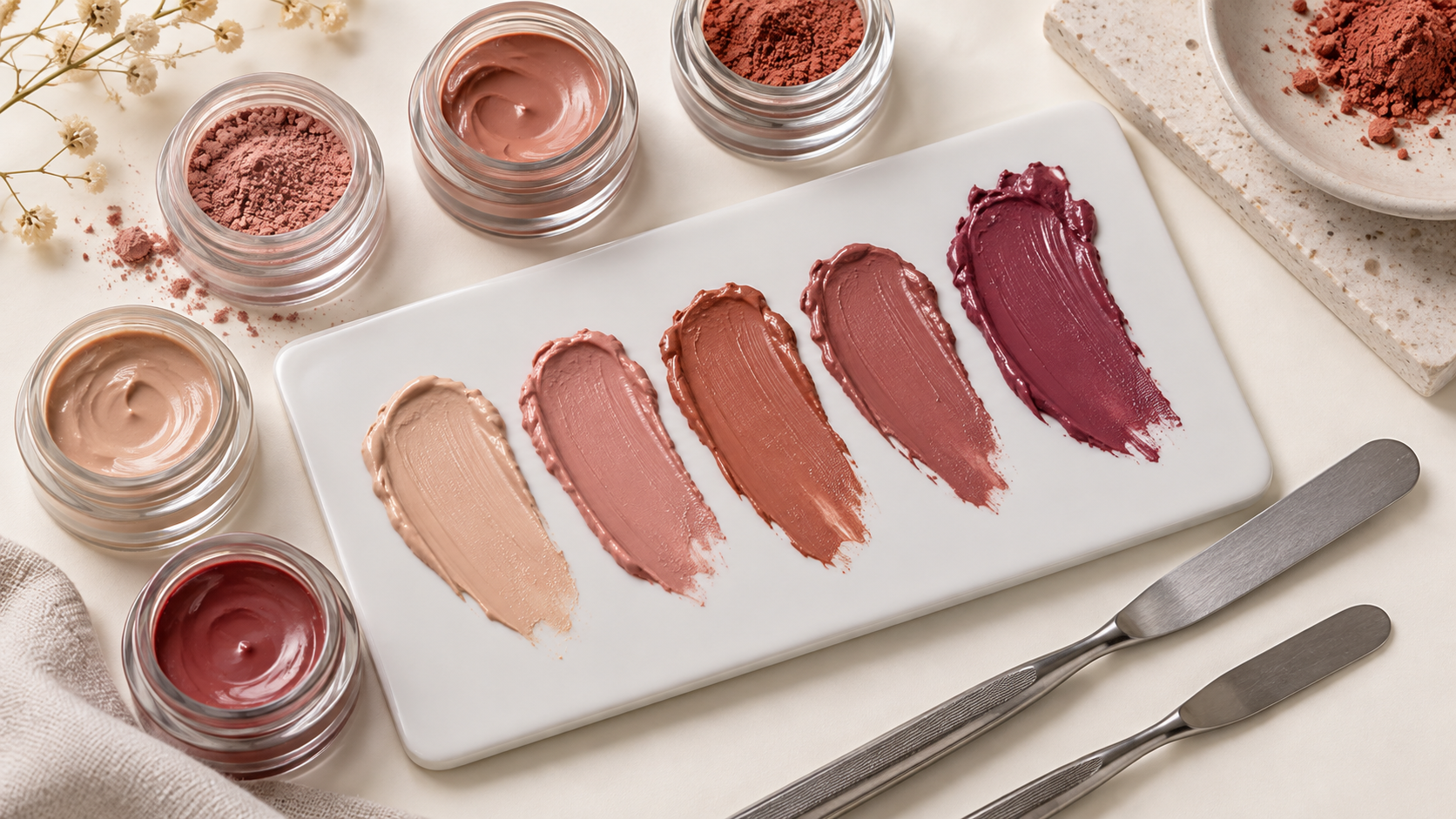
For repeat purchasing, ask how the manufacturer will maintain continuity between the first shipment and subsequent orders.
Discussions should cover raw material identification, batch records, approved product references, and the handling of deviations. Agree on which inspection results and production records will be available for your project.
Establish a written change-control process. Specify which changes require buyer notification or approval, including proposed changes to:
Also define how nonconforming goods will be identified, reviewed, and resolved. Clear responsibilities make it easier to address problems before shipment.
For multi-SKU programs, packaging decisions affect purchasing, production scheduling, and inventory management.
Ask whether related products can share suitable components, such as containers, caps, or outer carton formats. Shared components may simplify purchasing, but compatibility and brand requirements should guide the final decision.
Review the complete packaging configuration, including:
Confirm packaging minimums separately from finished-product minimums. Ask how unused printed cartons or other custom components will be recorded, stored, and allocated to future orders.
For lip-focused collections, our lip oil range can provide a starting point for discussing product and packaging requirements.
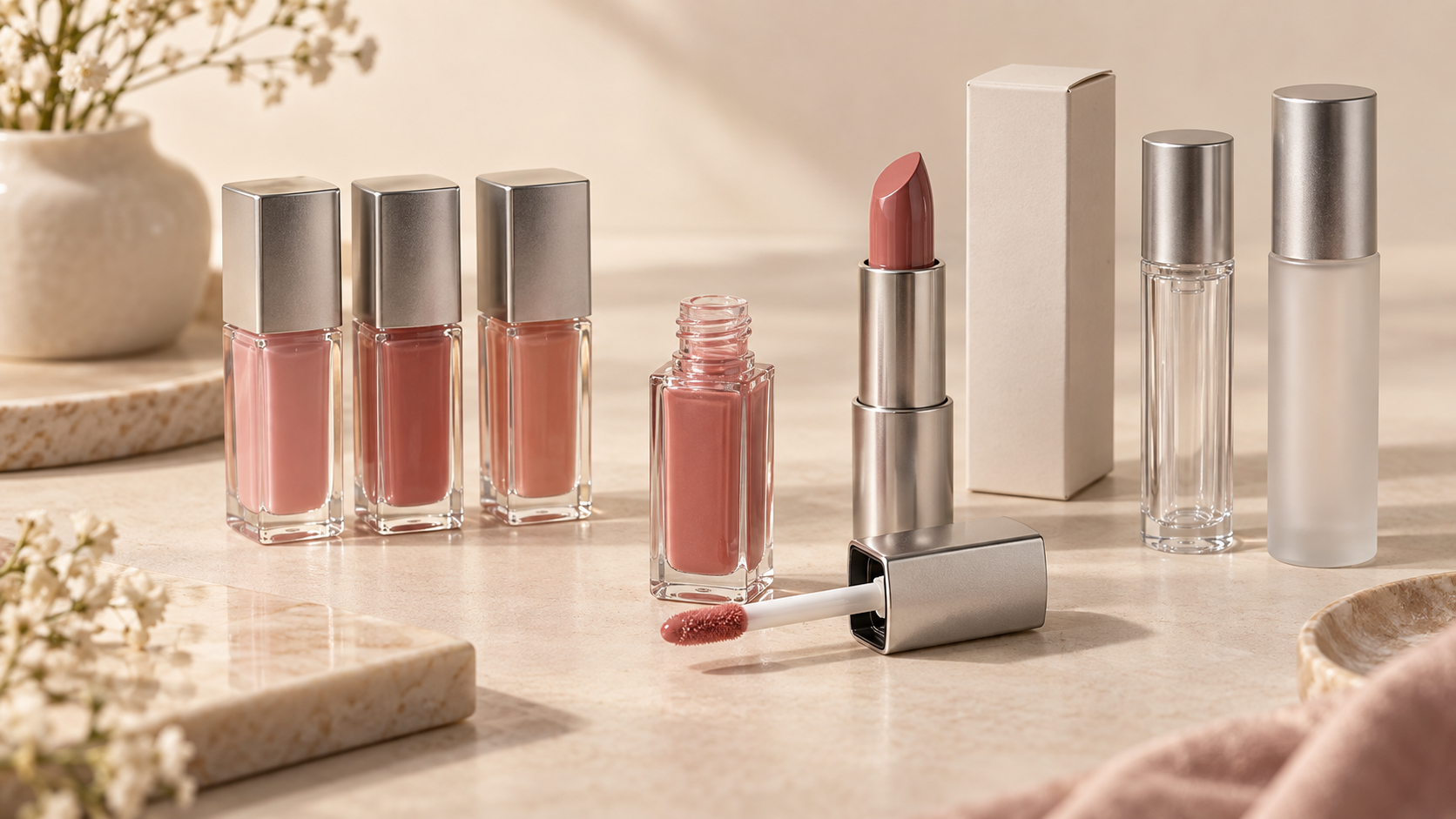
A useful bulk quotation should make the full purchasing scope visible.
Ask suppliers to separate product costs, packaging, decoration, development fees, tooling, and other applicable charges. Confirm the currency, quotation validity, payment terms, shipping terms, and exclusions.
Compare pricing against an identical specification. Differences in fill quantity, container material, decoration, or included services can make unit prices misleading.
For repeat programs, discuss how future orders will be priced and what may trigger a quotation review. Clarify the treatment of buyer-owned tooling and any packaging inventory remaining after an order.
This helps your team assess the cost of maintaining the collection over time.
Work backward from the required delivery date and establish milestones for sample approval, artwork confirmation, component availability, production, inspection, and shipment.
Ask which activities depend on earlier approvals and when the quoted production lead time begins.
For ongoing supply, discuss:
If inventory is to be reserved for future orders, agree on ownership, payment, storage duration, and what happens if demand changes.
A replenishment plan should reflect your actual sales cycle and the agreed production process.
OMAY’s makeup offering covers face, eye, and lip categories, with formula and packaging customization presented on our website. We welcome inquiries that define the commercial and product requirements of your purchasing program. Explore OMAY.
To request a project-specific discussion, send:
Contact OMAY to discuss your bulk custom makeup project, including development scope, applicable minimum quantities, quotation requirements, and production planning.
Your inquiry can cover several categories. Provide the SKU list, quantities, and launch requirements so the manufacturing scope and scheduling can be assessed for each product.
Request the applicable minimum for each formula, shade, and packaging configuration. A total collection quantity does not necessarily satisfy every component or SKU minimum.
Include the initial order, estimated annual volume, expected ordering frequency, SKU mix, packaging specifications, and delivery requirements. Identify which quantities are confirmed and which are forecasts.
Use approved specifications, retained references where appropriate, agreed inspection criteria, and documented change control. Confirm the process with the manufacturer before the first production order.
 Hot News
YIWU OMAY COSMETIC CO., LTD offers end-to-end beauty solutions including R&D, manufacturing, and global distribution. Our GMP-certified factory delivers high-quality cosmetics with customized services for 300+ brands across 50+ countries. Partner with a trusted China-based beauty industry leader.
Copyright © 2026 YIWU OMAY COSMETIC CO.,LTD. All rights reserved. Privacy Policy
 EN
EN