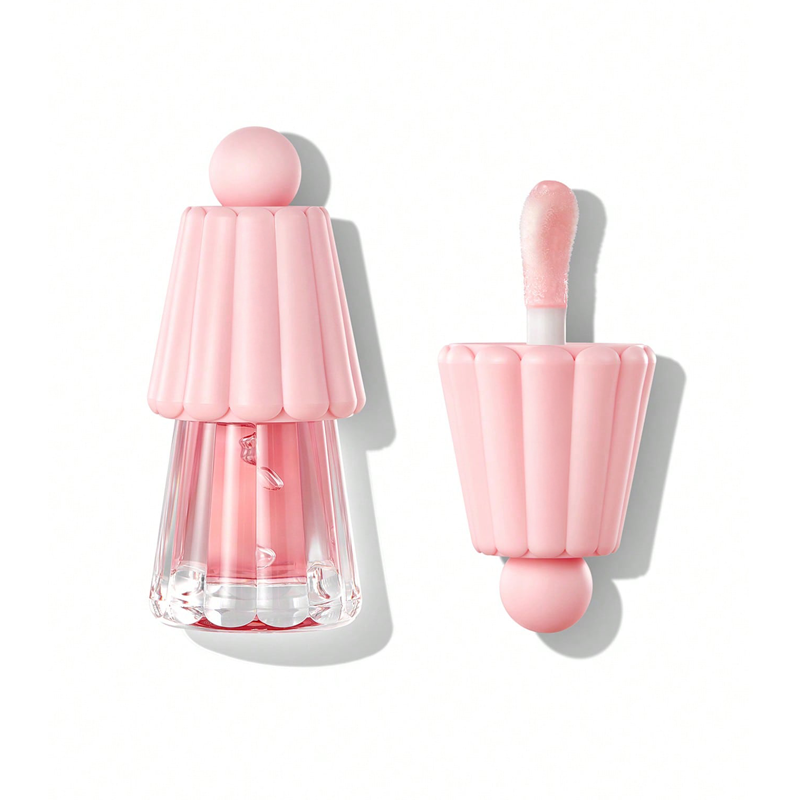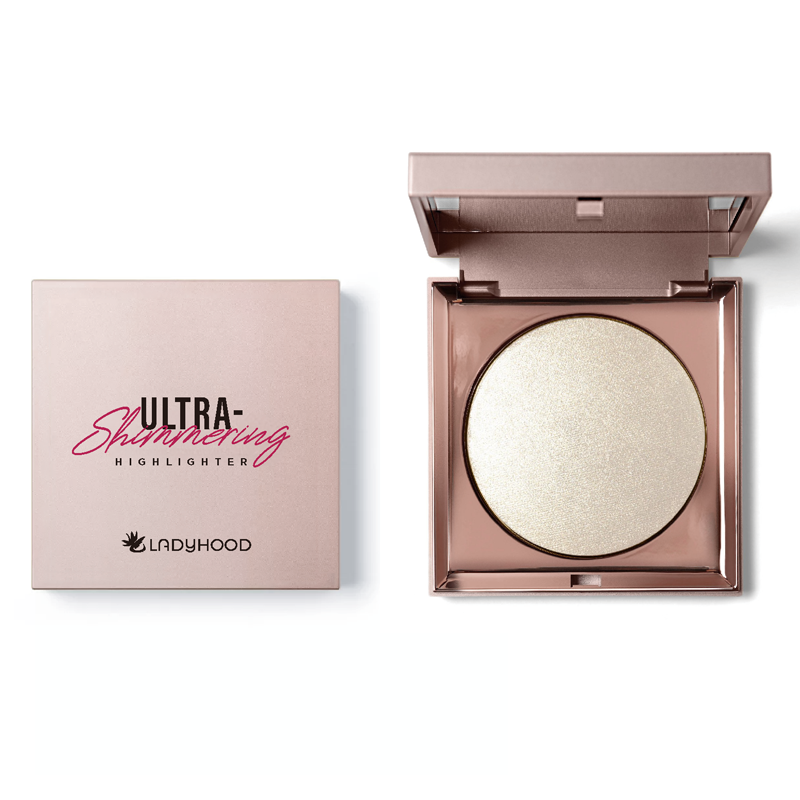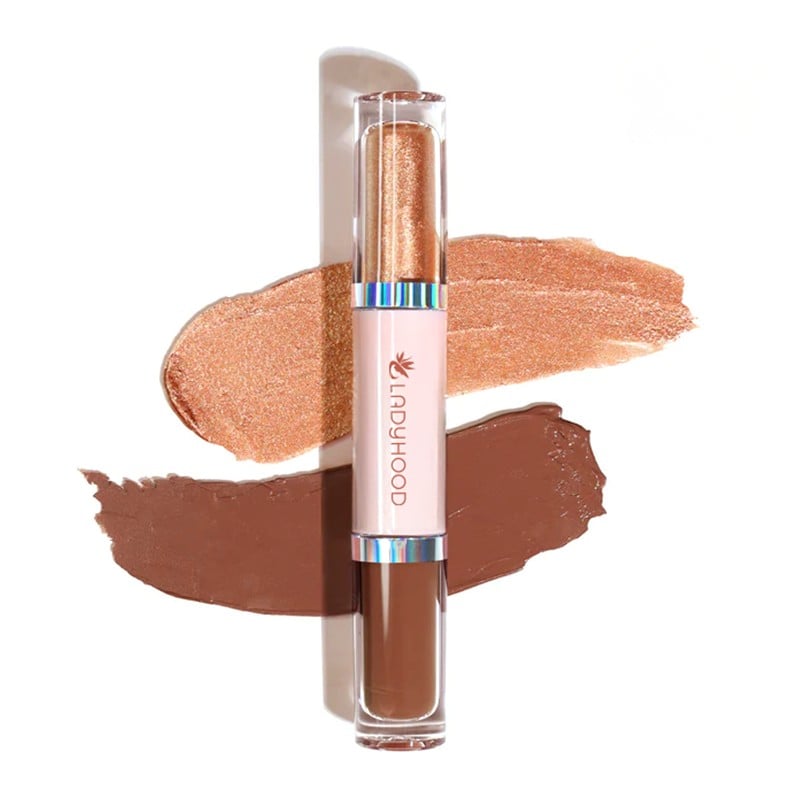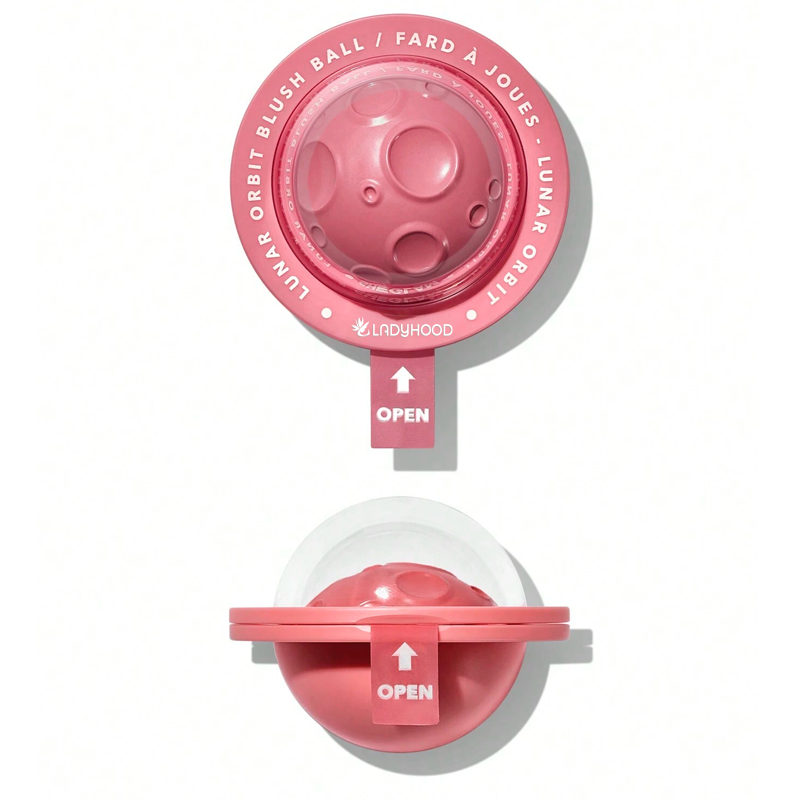

Launching a lipstick line is one of the fastest ways to build a beauty brand — lip color sells year-round, carries healthy margins, and lets a new brand make a bold statement with a small SKU count. But the success of your line depends far less on the shades you pick than on the lipstick manufacturer behind them.
Whether you're ordering private label stock formulas or developing a fully custom bullet, the factory you choose will determine your cost, your compliance risk, and ultimately how your customers feel about your brand. Before you wire a deposit, ask these seven questions. A serious manufacturer will answer every one of them clearly; a trading company or a workshop will struggle.
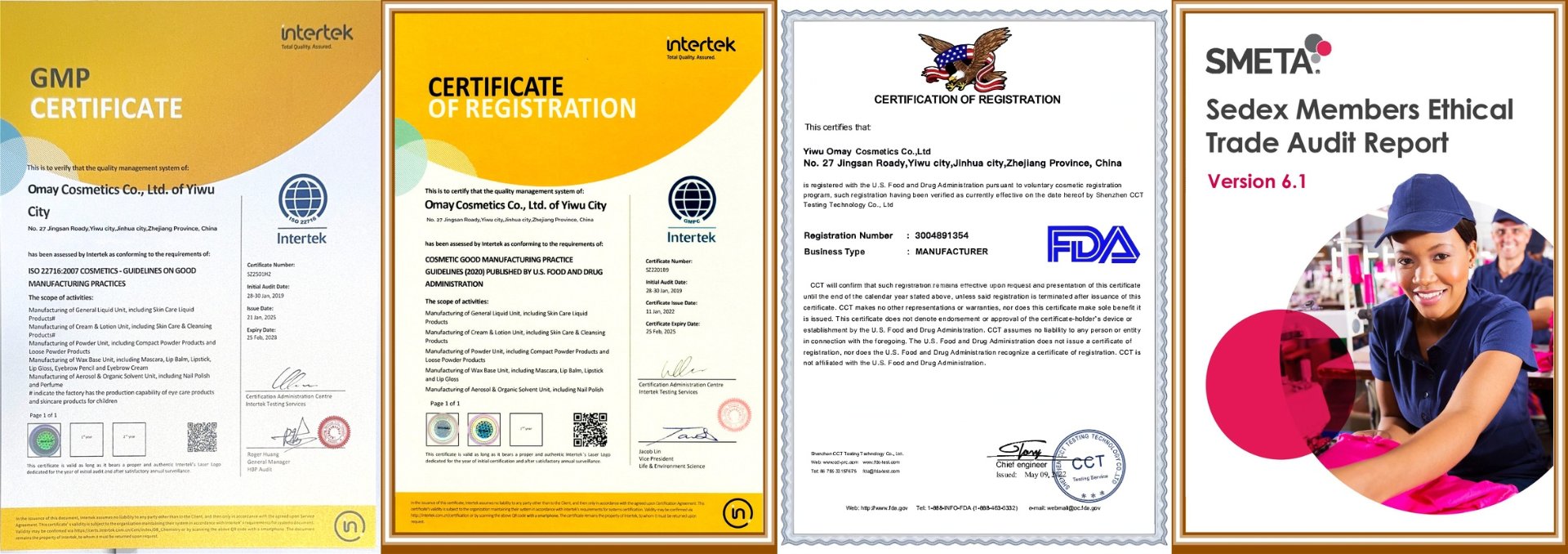
This is the first question because it protects everything else. At minimum, a professional lipstick factory should hold:
Ask for the actual certificates, not logos. Check that the certificate holder's name matches the factory you're contracting with — a common trap is working with a "manufacturer" whose certificates actually belong to a third party.
There are three tiers of lipstick sourcing, and your choice affects both cost and timeline:
| Tier | What you get | Typical lead time | Best for |
|---|---|---|---|
| Private label | Stock formula + your brand/packaging | 15–30 days | New brands, fast launch |
| Semi-custom | Base formula + custom shade, flavor, finish | 30–45 days | Growing brands |
| Full custom (OEM/ODM) | Formula developed from scratch | 60–90 days | Established brands |
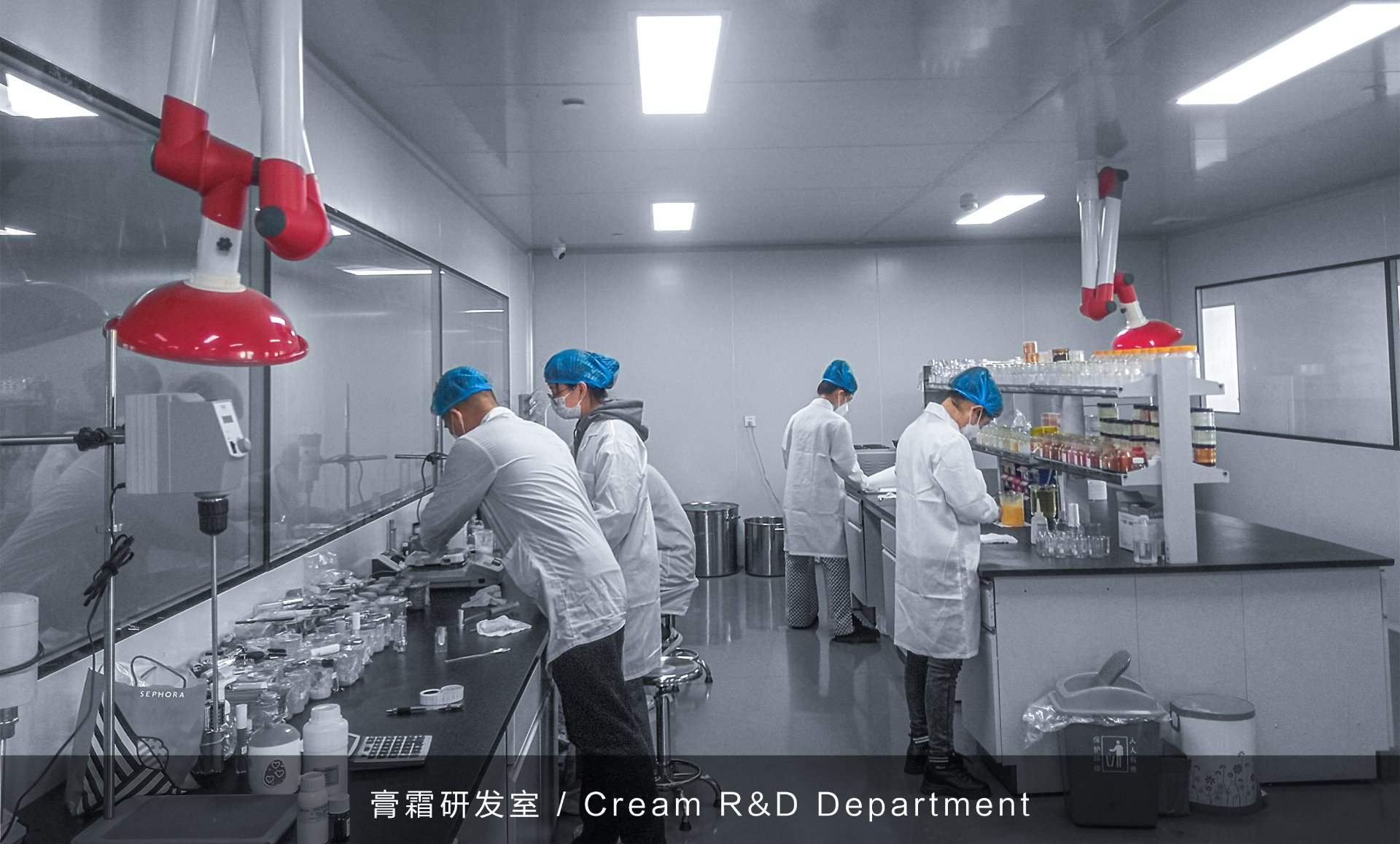
If a supplier quotes "private label" prices but 90-day lead times, the formula is probably being outsourced. Ask to see the formulation lab and whether they develop shades in-house.
MOQ is where most first-time buyers get surprised. The headline "MOQ 1,000 pcs" may actually mean 1,000 units per color, which forces you into a huge inventory bet on shades nobody has tested.
Ask specifically:
A factory confident in its production line will usually offer lower per-shade MOQs, because shade changes are routine for them.
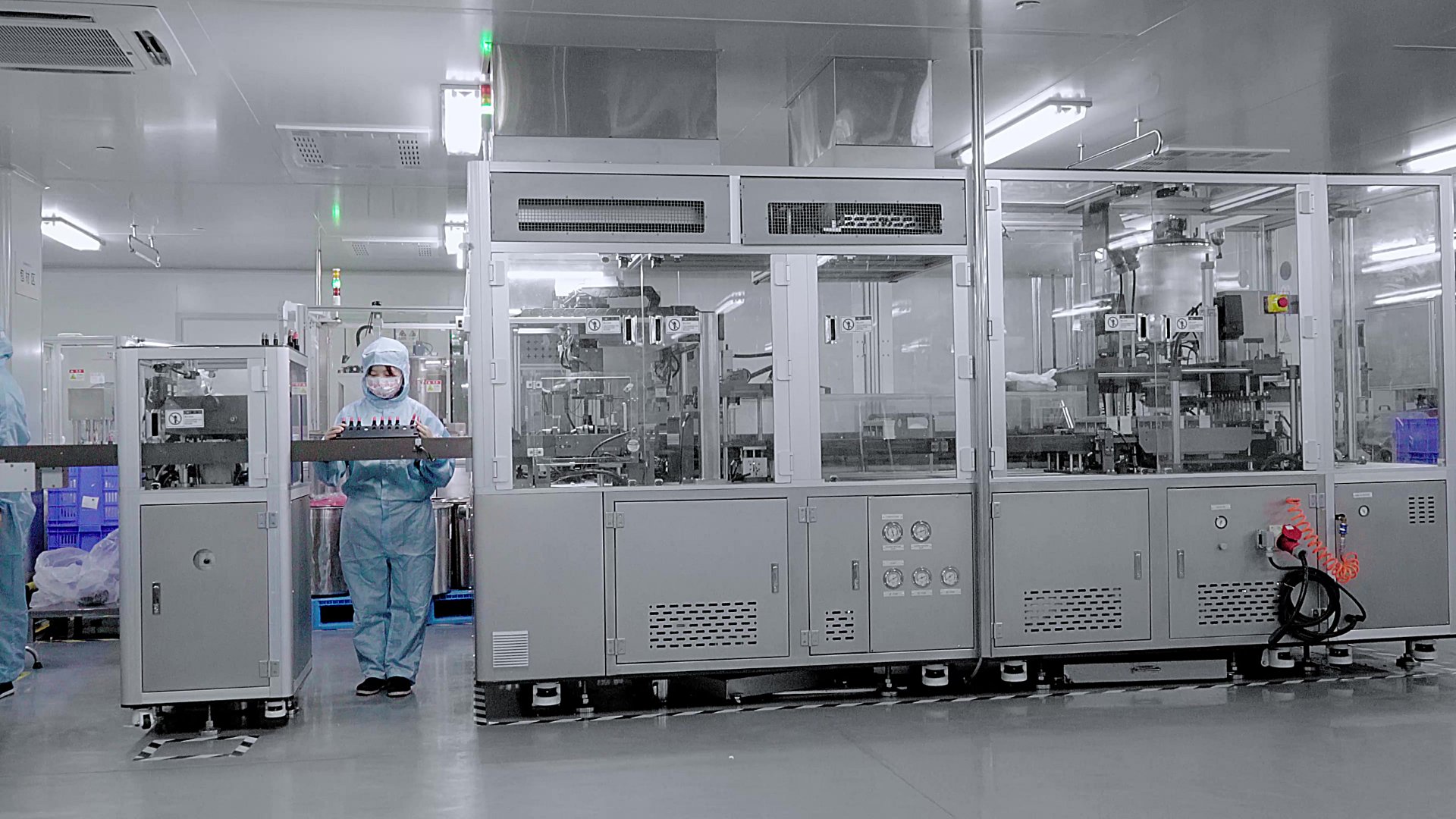
A bullet lipstick passes through melting, filling, cooling, flaming, and assembly — and each step affects quality. Ask whether the factory:
If possible, request a video walkthrough of the filling line. Our own lipstick production runs on automated lines with in-process weight checks, which is also why we can hold shade consistency across repeat orders — something hand-filled workshops struggle to guarantee.
Customers notice a changed shade long before they notice anything else. Ask the manufacturer:
If the answer is "our workers are very experienced," treat that as a red flag. Repeatable color is a system, not a skill.
Depending on where you sell, you may need more than a certificate of analysis:
A capable OEM partner prepares these documents as part of the project, not as an upsell after you've asked. Our team, for example, ships every order with INCI-compliant documentation and supports FDA and EU 1223/2009 compliance workflows for clients in the US and Europe.
Finally, ask about the process you can't see on a price sheet:
Clear answers here predict exactly how the partnership will feel six months in.
Choosing a lipstick manufacturer is not a price comparison — it's a risk assessment. Certifications, in-house formulation, per-shade MOQ flexibility, batch consistency, and compliance documentation are what separate a factory that protects your brand from a supplier that merely fills tubes.
At Yiwu Omay Cosmetics, we've spent years manufacturing color cosmetics for brands across the US, Europe, and Latin America — from matte bullet lipsticks to lip oils and plumping glosses — with GMPC and ISO 22716 certified production in our 62,000㎡ facility.
Ready to compare quotes? Send us your shade references and target quantity, and our team will reply with a formula plan, MOQ options, and a timeline within 24 hours.
 Hot News
YIWU OMAY COSMETIC CO., LTD offers end-to-end beauty solutions including R&D, manufacturing, and global distribution. Our GMP-certified factory delivers high-quality cosmetics with customized services for 300+ brands across 50+ countries. Partner with a trusted China-based beauty industry leader.
Copyright © 2026 YIWU OMAY COSMETIC CO.,LTD. All rights reserved. Privacy Policy
 EN